
The Portuguese state is back in REN with 13.7%, and parliament wants a rulebook for the next one
Parpública notified the market regulator of a qualified holding of 91,723,676 shares, completed on 7 September once the Court of Auditors signed off. The Socialists want statutory criteria for when the state may buy into a private company.
The deal is done. REN told the market that Parpública holds a qualified stake of 91,723,676 ordinary shares, representing 13.7% of its capital, putting the Portuguese state back on the share register twelve years after it left. The shares changed hands and the price was paid on 7 September.
When we wrote about this in August the open question was procedural. The contract with Pontegadea had been signed on 14 August but hung on a condition, and we said the date that mattered would be the Court of Auditors sign-off. It was. Approval came on 31 August and the rest followed inside a week.
The part nobody wrote down
With the timing settled, the underlying question is left over, and that is what reached political debate on Thursday. The Socialist parliamentary leader, Eurico Brilhante Dias, argued that the state buying into private companies should follow precise criteria set out in law, on the grounds that the process as it stands is not legible to anyone watching from outside.
The point has substance whoever raises it. The state bought a position in a listed company through a public holding vehicle, with government authorisation and audit oversight, but with no legal framework saying in what circumstances it should, to what end, up to what percentage, or against what price test. A joint order from the finance and energy ministries points to a target of 20% of the capital, which means there will be further purchases and the question will come round again.
Price is the part that argues best
That is where the opposition pressed hardest. Amancio Ortega came into REN in July 2021 and left in August 2026, with the shares up roughly 50% over that stretch. The Socialist MP Marcos Perestrello criticised the state for paying considerably more per share now than it received when it sold its last holding in 2014. His party has asked the government for the transaction documents and for a list of those involved.
The government’s argument is the familiar one about critical infrastructure: whoever runs the electricity and gas transmission grid is not an ordinary company, and the question of how much of it should sit in public hands has crossed several administrations and several party colours. That was exactly the reasoning behind the state’s return to the register in August.
Both things can hold at once. The purchase can be defensible and the process can still run without a written rule. What parliament is about to debate is not whether the state should have bought into REN. It is what happens next time, and for now that answer is nowhere.
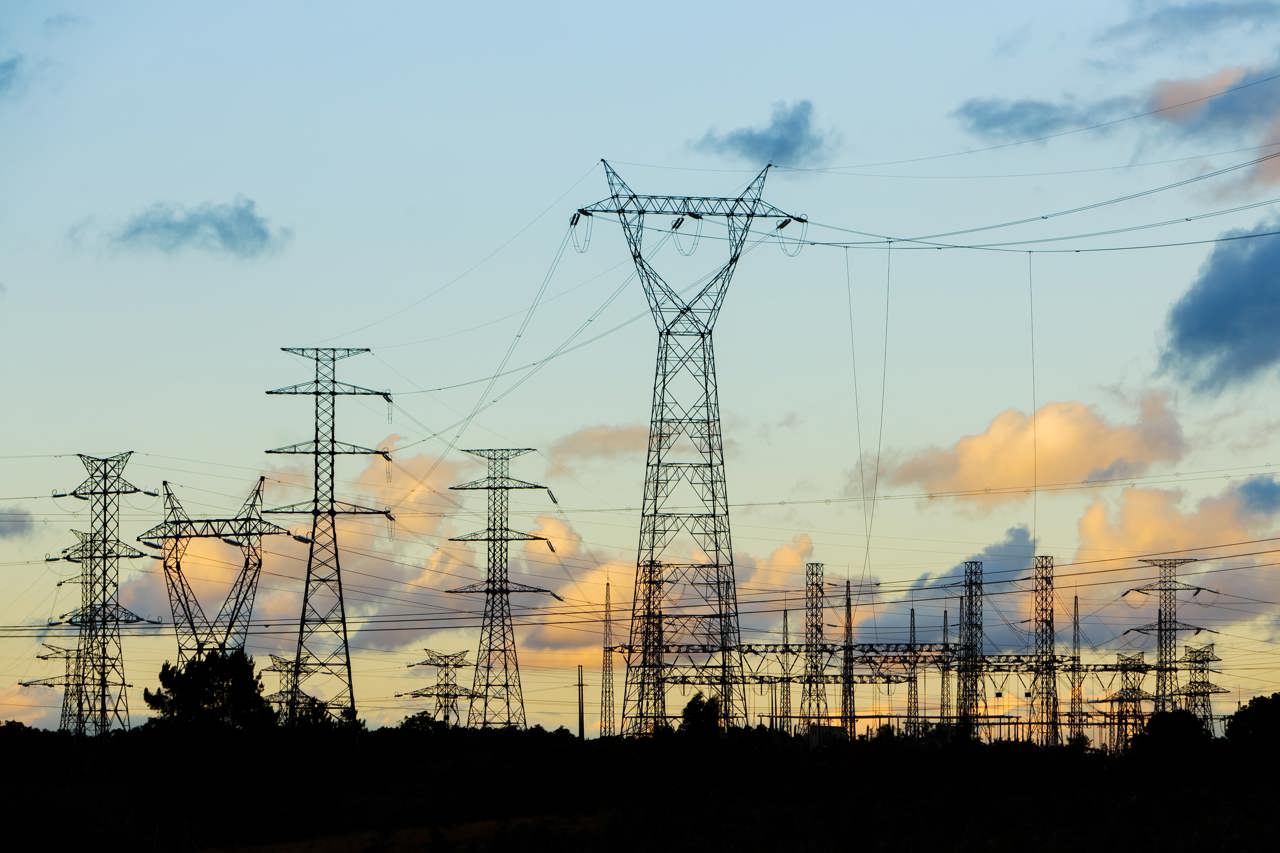
Image: REN