
Portugal's 2027 budget already has €4.78 billion spent before it is written
That is the 2027 cost of measures already approved. Pensions account for €1.99bn, public-sector pay for more than €1bn, and debt interest for €776m more than this year.
Every year, by 31 August, the Portuguese government hands parliament a document with a name nobody would say out loud: the Framework of Invariant Policies. It does something genuinely useful. It shows MPs what the decisions already taken will cost next year, before a single new measure is debated.
For 2027 the bill is €4.783 billion. Spending accounts for €5.042 billion; on the revenue side a net saving of €259 million softens the total.
Where the money is already going
Pensions are the largest line at €1.993 billion, of which €824 million is simply the statutory uprating — the one that tracks inflation and GDP growth and happens without anyone voting on it. Public-sector pay comes in above €1 billion. Then there is the line that buys nothing at all: interest on the public debt costs €776 million more than in 2026.
The housing tax package, with its VAT and income-tax changes, accounts for €303 million. That is a small slice of the total, which is a useful reminder of the gap between what dominates the news and what dominates the spending.
Why this matters before October
The budget bill must reach parliament by 10 October. Because the 10th falls on a Saturday this year, the deadline slides to the next working day, the 12th.
By the time it arrives, €4.783 billion of room has already gone. That is the difference between a budget that redistributes and a budget that mostly confirms. The government has signalled it will repeat the approach of its last two bills — focused on the accounts, stripped of unrelated riders — precisely to make passage easier, and half of Portuguese voters polled in July said they wanted it approved. The process can be followed on parliament’s own state budget page.
The parliamentary autumn, meanwhile, has already opened noisily, with Chega’s censure motion defeated by 116 votes against. None of that changes the arithmetic of the €4.783 billion, which is already committed.
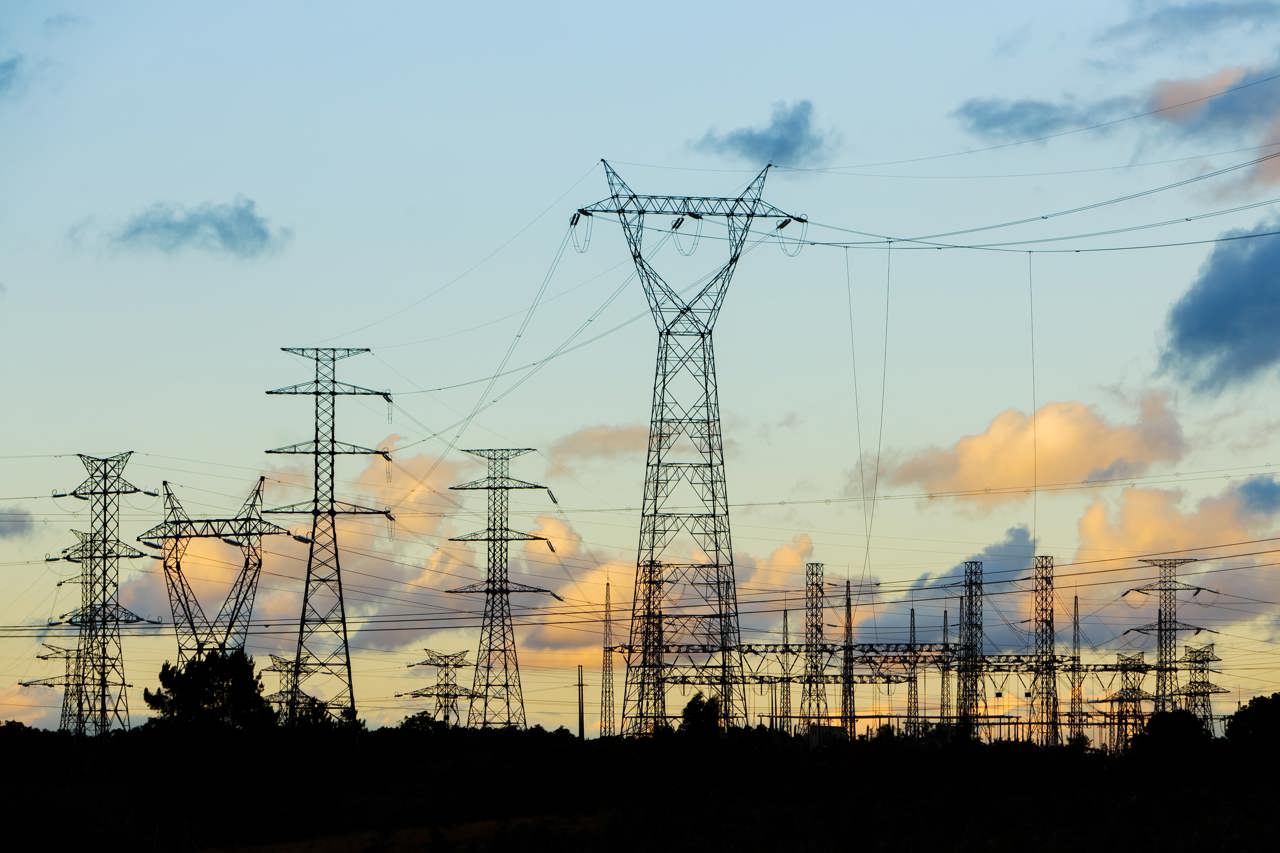
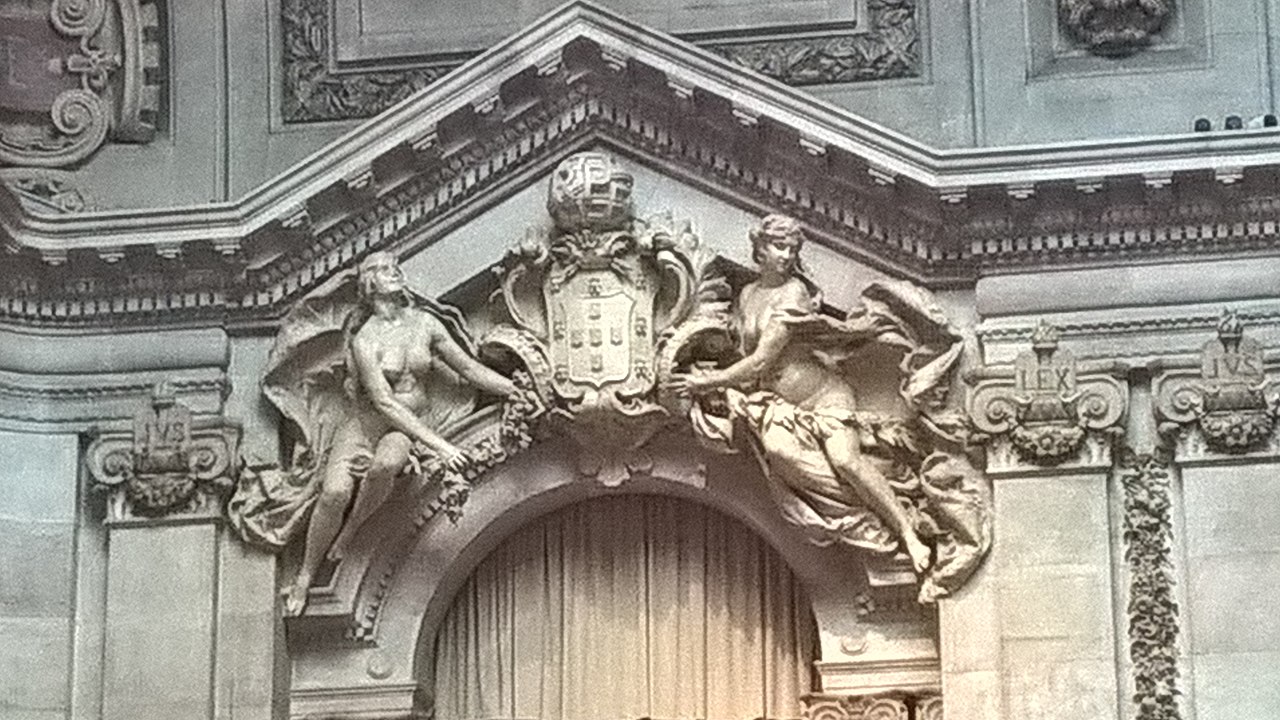
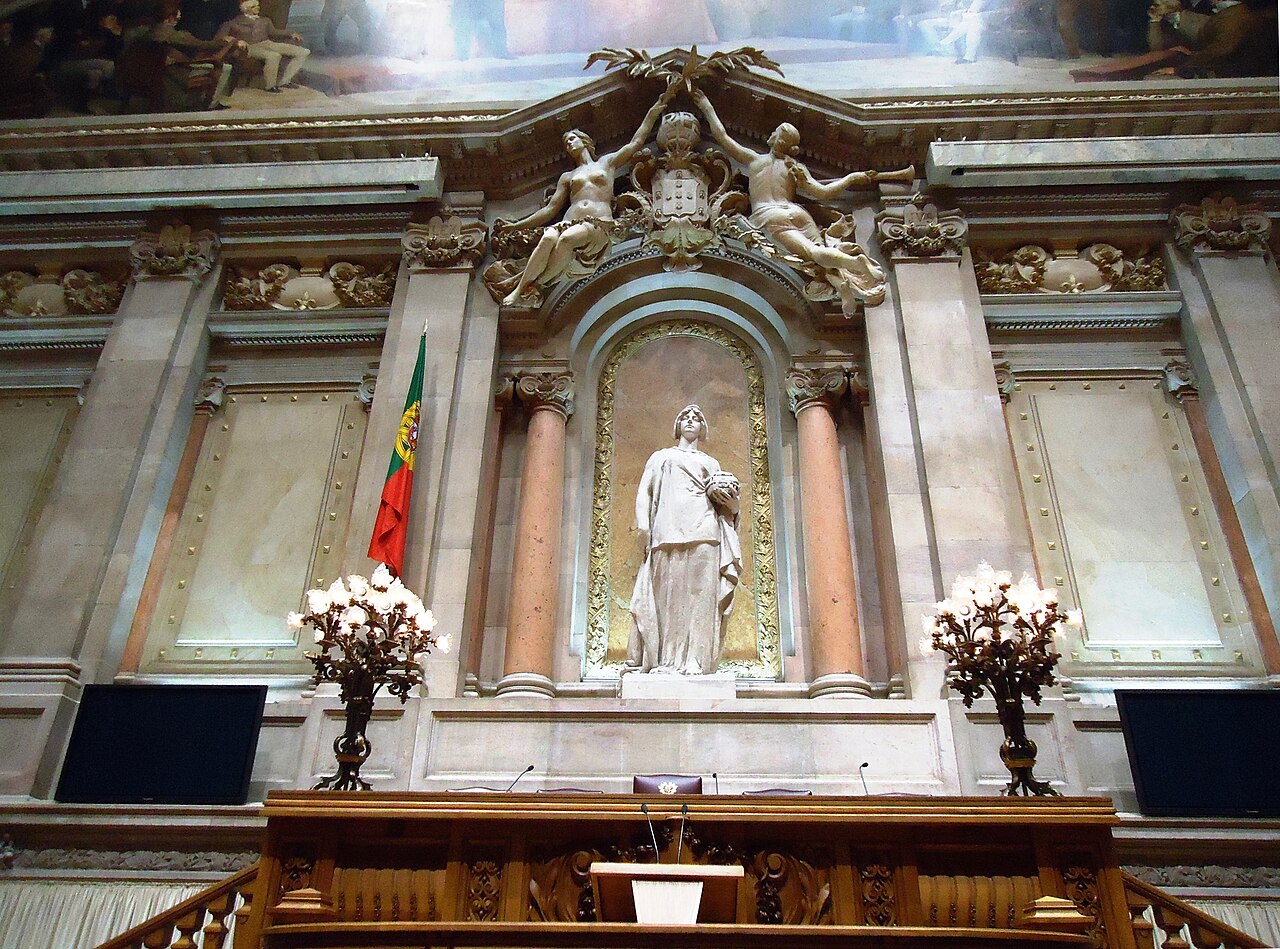
Image: Carlos Luis M C da Cruz / Wikimedia Commons (CC BY-SA 3.0)