

Portugal's face-covering ban is now law. The ban is one sentence, the exemptions are not
The President signed the decree on 18 August. It bars clothing worn to hide the face in public, bars anyone from forcing a person to cover it, and carves out health, work, weather, aircraft, embassies and places of worship. Deliberate breaches run to 3,000 euros.
It is done. On 18 August the President of the Republic signed into law the parliamentary decree that, by its formal name, sets the security and prevention rules on identifying citizens in public spaces. Nobody calls it that. Everybody calls it the burqa law.
The banning part is short. It is now prohibited to wear, in public spaces, clothing intended to hide the face or make it hard to see. It covers streets, places open to the public, public service premises, events, sport and demonstrations. That is one sentence, and that is the whole prohibition.
What follows runs a good deal longer. The law also makes it an offence to coerce anyone into covering their face on grounds of gender, religion, age or origin, which cuts in both directions at once: it penalises the covering and it penalises the person doing the compelling. Then come the exemptions. The ban does not apply where a covered face is justified by health, by work, by artistic, performance or advertising purposes, by security, or by the weather. Nor does it apply on aircraft, on diplomatic and consular premises, or inside places of worship and other sacred sites. Nor, the text adds, wherever another law allows it.
Who collects the fine
Here is the detail almost nobody read. The breach is an administrative offence, and the amount turns on intent: 150 to 750 euros for negligence, 400 to 3,000 euros where it is deliberate. Those figures were already trimmed in committee, from a draft that reached 4,000. Police forces do the enforcing, but the body that runs the case and issues the fine is the municipal council for the area where it happened. In practice that hands the same law to 308 separate councils, each deciding for itself how heavily to lean on it.
The President’s reasoning
In the note published at Belem, the President accepts this is a matter of considerable social and cultural sensitivity, where drawing the lines and weighing rights against duties is extremely difficult. He signed after the amendments Parliament made, and set out three grounds: social integration, non-discrimination by gender, and security, leaning on European Court of Human Rights rulings that went the same way. He also wrote that accepting that women, and only women, must hide the whole face creates an asymmetry incompatible with the parity that underpins European democracies.
Not everyone agrees, and the disagreement comes from serious places. Amnesty International Portugal condemned the bill when Parliament passed it, and in October 2025 both the Public Prosecutor’s Office and the Bar Association had filed negative opinions flagging a constitutional problem. Neither stopped the signature. It is worth remembering that this President has already shown he will send a bill to the Constitutional Court when he thinks it belongs there, as he did with the foreigners and asylum law. This time he did not.
If you want the decision in the words of the person who made it, the note is published on the Presidency’s own site.
Update, 25 August: the law now has a number and a date
The text was published in the official gazette on Monday 24 August as Law 58/2026 and takes effect on 23 September. That is the date from which the fines described above can actually be issued.
No implementing regulation has been published alongside it, which leaves open how 308 municipal councils will run cases on the same matter without a common procedure. The French experience the bill’s supporters cited suggests the number of fines actually issued tends to be modest next to the political noise the measure generates.
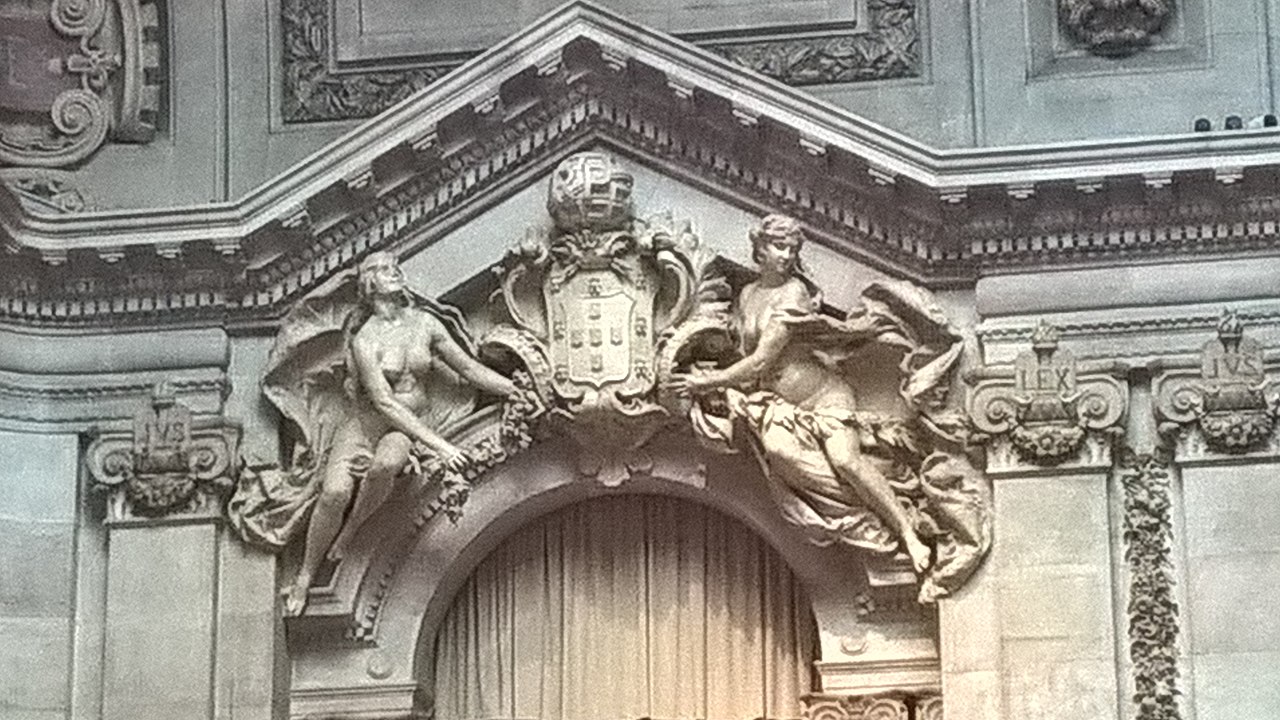
Image: Palickap / Wikimedia Commons (CC BY-SA 4.0)