

Hungarian public TV puts the news back on air today, 44 days after switching it off
MTVA suspended bulletins on M1 and Kossuth radio on 7 July, replacing them with a black screen and an apology. They return today, on Hungary's national holiday, with a new editorial team.
On 7 July, anyone who turned on M1 or Kossuth radio found a black screen and an apology for years of political distortion. It was not a fault. It was MTVA, Hungary’s public broadcaster, taking its own news bulletins off air on the new government’s instruction. Forty-four days later, they come back today.
The date was not picked at random. 20 August is a national holiday in Hungary, St Stephen’s Day, and the biggest television day in the Hungarian calendar. The return is neither immediate nor complete: the broadcaster says bulletins will come back gradually, as the new editorial team is assembled.
How it got to a black screen
The shutdown was a campaign pledge. Péter Magyar, who beat Viktor Orbán at April’s 2026 election at the head of Tisza, had said public service news would stay suspended until the conditions for independent journalism were in place. He delivered on it in July, three months into office.
For more than a decade MTVA was among the institutions most criticised by European press-freedom bodies, which described it as an arm of government communication. What complicates the reading of this episode is that the chosen remedy, pulling public service news entirely for six weeks, is itself a political decision about what the public broadcaster puts out, taken by a government.
Two readings, both arguable
Supporters of the move say a captured newsroom cannot be corrected with editorial tweaks, and that a full stop was the only way to break established routines and hire afresh. Critics answer that the precedent is the problem: if one government can silence public news for 44 days because it judges the output unreliable, the next can invoke the same argument with a different definition of reliable.
The practical answer arrives from today, and it will not come from press releases. It will come from the running order, from whose names are on the bulletins, and from how much airtime goes to the government that ordered the stoppage. The broadcaster’s own portal is at mediaklikk.hu.
For readers following how institutions behave when power changes hands, we wrote recently about the process Brazil opened against US tariffs, another case where opening a procedure and settling it are very different things.
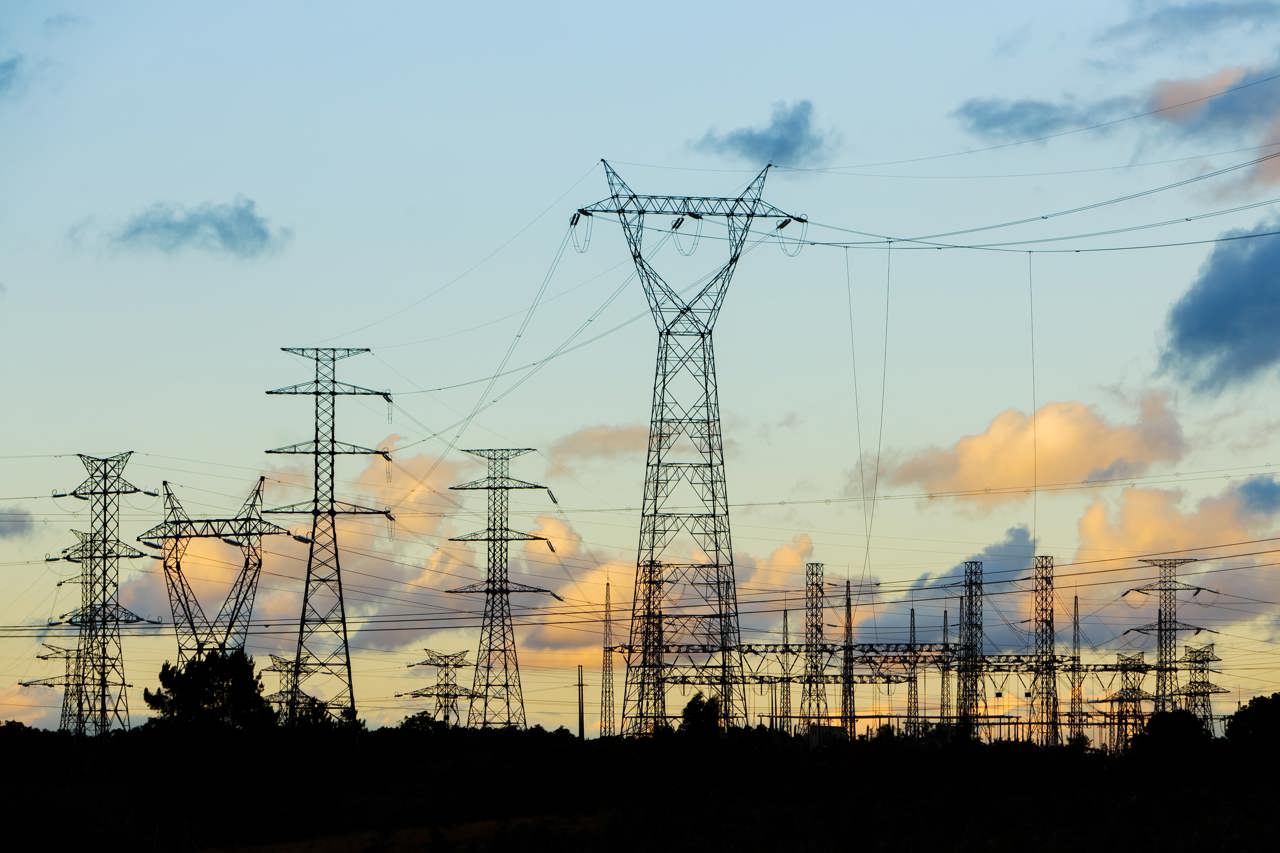
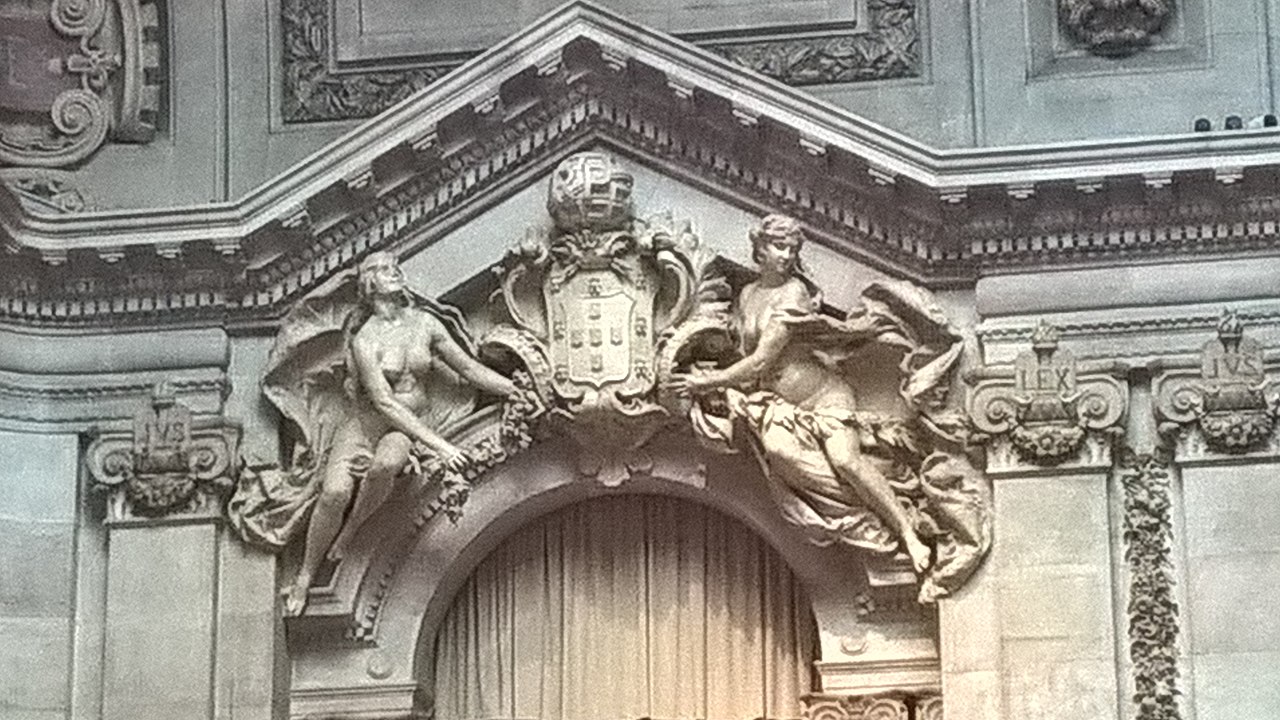
Image: Révész Gábor / Wikimedia Commons (CC BY 3.0)