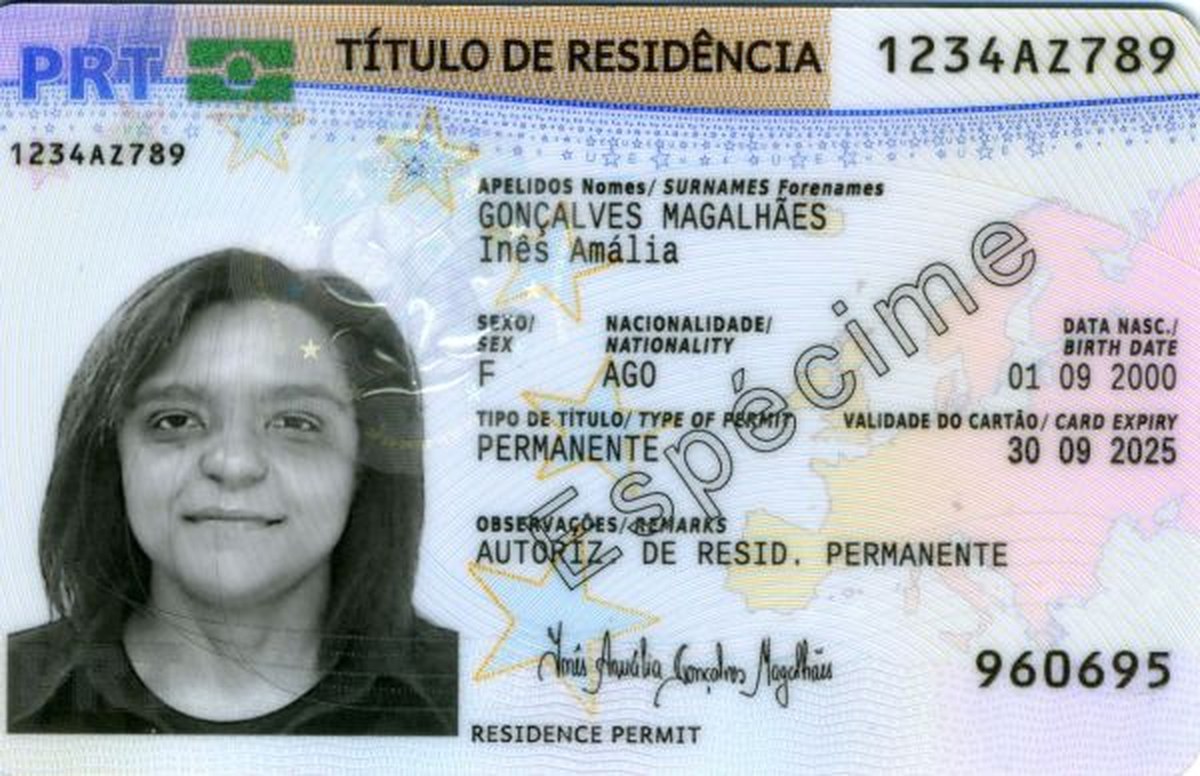


Chega has voted for "remigration". If you live in Portugal on a residence permit, nothing changes today
Chega's 7th national convention approved a thematic motion on Sunday, 355 votes to 70 with 20 abstentions, recommending that remigration become a structural principle of the party's migration strategy. It is advice to the leadership, not law: any change would need parliament and, in part, a constitutional revision.
Chega’s national convention voted on Sunday for a motion recommending that the party make “remigration” a structural principle of its migration strategy. It was not close: 355 delegates in favour, 70 against and 20 abstaining, roughly 80% of the vote. The thematic motion itself is published on the party’s website.
The word was everywhere on Portuguese social media over the weekend. For anyone living in Portugal on a residence permit, the short answer to the obvious question is that nothing changes today.
What does Chega’s remigration motion propose?
From what has been reported of the text, four main ideas:
- a National Remigration Programme, with limited financial incentives, logistical support and control mechanisms;
- actually carrying out the return and removal orders that courts and the authorities already issue, with more administrative, police, judicial and diplomatic resources;
- checking temporary residence permits and not renewing them “under the terms of the law”, plus a crackdown on migration fraud;
- a revision of the Nationality Law introducing a moratorium on pending naturalisation cases.
The motion itself accepts that some of this would require constitutional amendments, with a safeguard so that nobody is left stateless.
Is the remigration motion binding on Chega?
No. Thematic motions at a party convention are recommendations to the leadership, which decides whether any of it goes into the manifesto or becomes a bill.
What would it take to change the law?
A lot. Entry and residence are governed by the foreigners’ law, which changed this year under Law 62/2026. Nationality has its own law, also amended in 2026 with longer qualifying periods. Any further change would have to be tabled, debated and passed by parliament, signed by the President and could be stopped by the Constitutional Court.
Anything touching rights protected by the Constitution would need a constitutional revision, which requires two thirds of MPs. No party has that on its own.
What does it mean in practice for pending applications?
Nothing right now. AIMA keeps renewing residence permits under the current rules, and nationality applications follow the law as it stands. If the idea reaches parliament as a bill, that is the moment to read the detail closely.
Image: Albarubescens / Wikimedia Commons (CC BY-SA 4.0)