Portugal ordered 11,190 people to leave in three months. Eurostat counts 330 returns
In Eurostat's second-quarter 2026 data, only France ordered more non-EU citizens to leave than Portugal did. But for every 100 orders issued here, about 3 returns were recorded in the same quarter, against 36 across the EU. Brazilians and Angolans received almost half of Portugal's orders.
Between April and June 2026, Portugal ordered 11,190 people from outside the European Union to leave the country. Only France issued more (32,420). The figures come from Eurostat’s quarterly table of orders to leave, which we went through country by country.
The part nobody had put next to it yet: in the same quarter, Eurostat records 330 returns of foreigners who had been ordered out of Portugal.
How many foreigners actually leave Portugal after an order to leave?
By our count, about 3 returns for every 100 orders issued in the quarter. The EU average is almost 36 per 100. Germany issued fewer orders than Portugal (8,160) and still recorded more returns than that (9,085).
A word of caution. A quarter’s returns don’t match that same quarter’s orders, because a case can take months, and only departures somebody records make it into the data. Widen the window to a full year, July 2025 to June 2026, and the picture barely shifts: 28,015 orders and 1,170 returns, just over 4 per 100.
Why did the orders shoot up?
Portugal’s orders were up 25.5% on the same quarter of 2025 and now make up roughly one in ten of all those issued in the EU. The reason is the clear-out of pending files at AIMA, the immigration and asylum agency: every residence application it turns down triggers a notice to leave.
In October, Presidency Minister António Leitão Amaro told parliament that about 27,000 such notices had gone out in 2026 and only around 800 had been carried out. Eurostat counts differently, but it points to the same gap, one the police had already acknowledged when they said they expected a record year for removals.
Who receives orders to leave Portugal?
Brazilians (3,510) and Angolans (2,000) account for almost half of the quarter’s orders. Next come Indians (970), Cape Verdeans (625) and Bangladeshis (590).
What has changed in the law?
The old notice of voluntary departure, which gave people a deadline to leave on their own, no longer exists. Since September there has been a direct duty to leave, and if it isn’t met the PSP police’s foreigners and borders unit (UNEF) can detain the person and start a forced removal.
If you’ve had an application refused, the deadline to challenge it and the option of an IOM-assisted voluntary return are still the first things to check. The EU-wide totals, including a 10% rise in returns, are in Eurostat’s note on the second quarter.
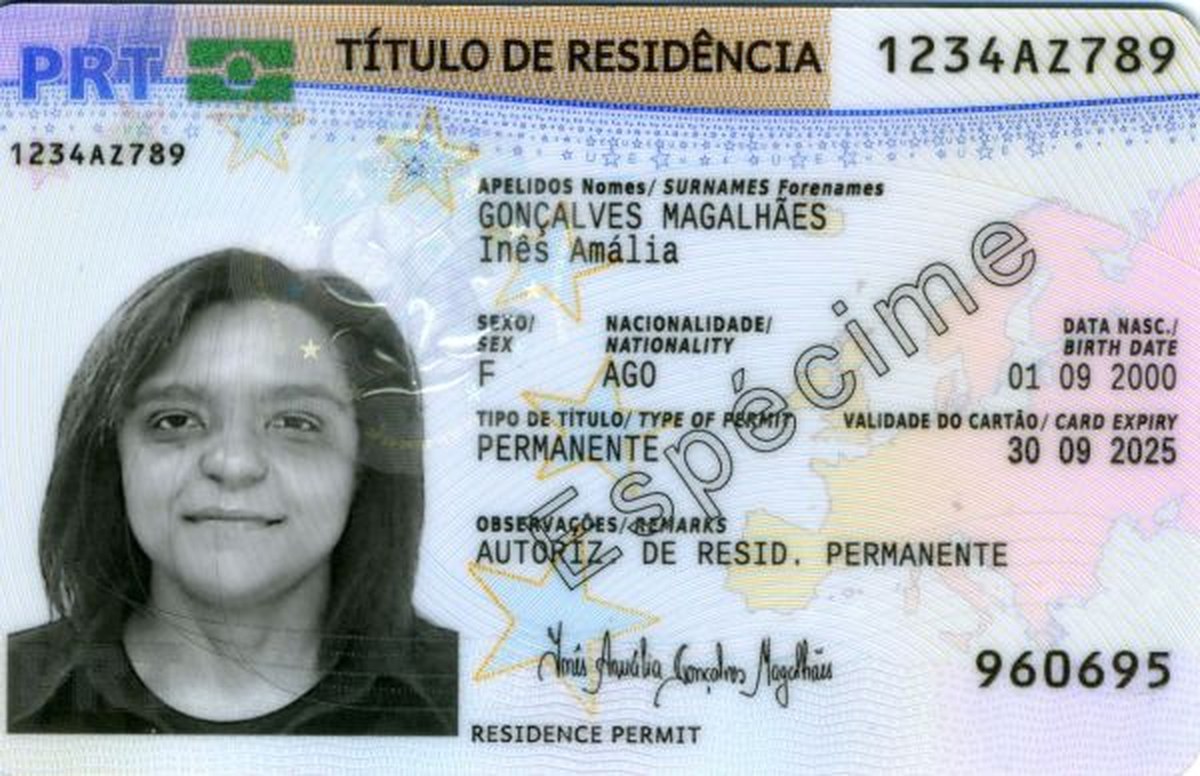
Image: Draceane / Wikimedia Commons (CC BY-SA 4.0)