The OECD says 319,000 people moved to Portugal in 2025. Many of them were already here
The OECD's annual migration report, published on 12 November, shows long-term immigration to Portugal up 130%. The figure includes changes of status, and in the same year AIMA issued more than 500,000 residence permits to clear its backlog.
Portugal took in 319,000 new long-term immigrants in 2025, 130% more than the year before. The figure comes from the Portugal country note in the OECD’s International Migration Outlook 2026, published on Thursday, and you will see it quoted a lot.
It is worth reading with the small print attached.
What does the OECD count as a new immigrant?
Arrivals plus changes of status. The report says so in the same sentence: the 319,000 include “changes of status and free mobility”. Someone who was already living and working in Portugal, waiting on a decision, and finally got their residence permit in 2025 counts as a 2025 inflow.
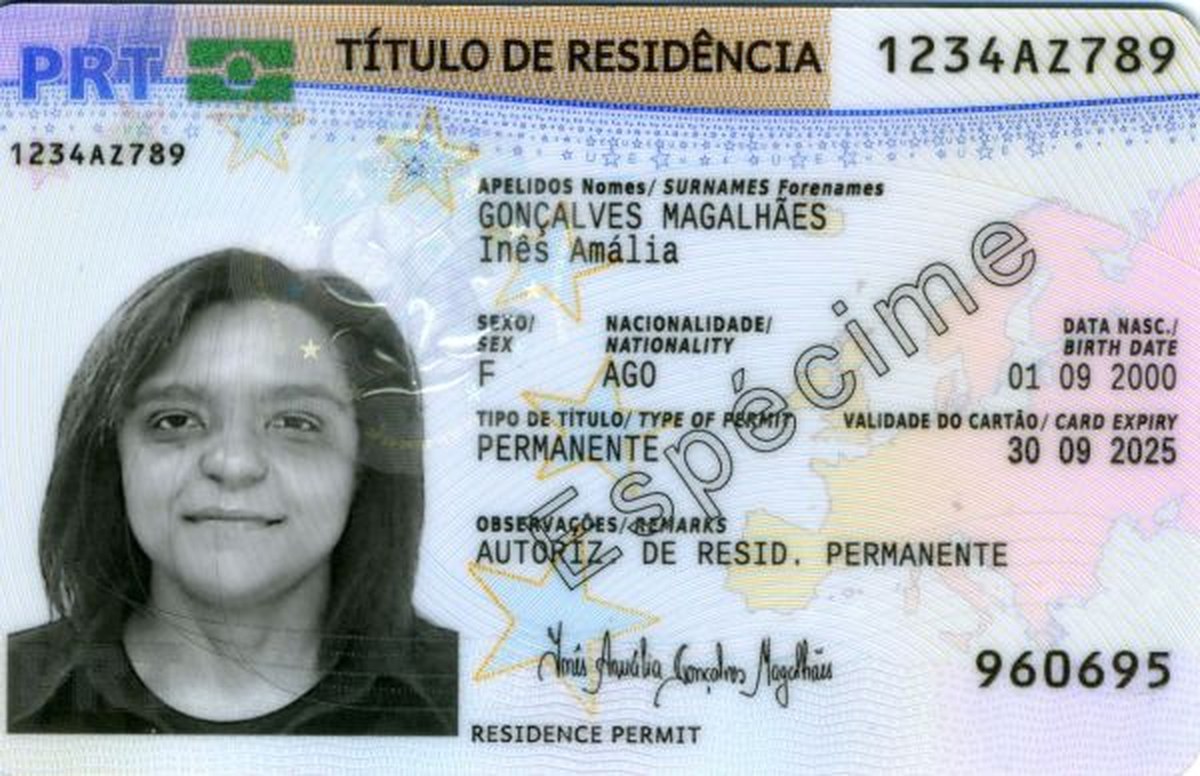
And 2025 was the year those decisions came through in bulk. In the same note, the Portuguese government reports that AIMA, the immigration agency that replaced SEF, held more than 770,000 appointments and issued more than 500,000 residence cards to work through the backlog it inherited.
By our maths, if 319,000 is a 130% rise, the 2024 starting point was roughly 139,000. The jump says as much about how fast AIMA cleared paperwork as about who crossed the border.
Who are they?
Three in four (75%) came for work, about 239,000 people. Another 12% are EU citizens using free movement, and 6% came through family reunification. Among 2024 newcomers, the latest year the report breaks down, Brazil, Angola and Cape Verde were the most common nationalities.
Portugal’s foreign-born population reached 1.7 million in 2024, or 16.3% of residents, up 47% since 2015. Across the OECD the share is 12%.
What about asylum in Portugal?
A small slice. There were about 1,800 first-time asylum applications in 2025, down 34%, mostly from Colombian, Chinese and Angolan nationals. Of 1,380 decisions, 33% were positive, around 455 people.
Will 2026 look the same?
Probably not. The OECD notes that the revised foreigners’ law (Law 61/2025, in force since October 2025) reinforced the rule that you enter with a visa before applying for residence, and that the job-seeker visa is now aimed at highly qualified professionals. With fewer doors open and most of AIMA’s queue already processed, a repeat of this jump looks unlikely.
Meanwhile 61,000 Portuguese citizens emigrated to other OECD countries in 2024, mainly to Switzerland, Spain and France. The fuller picture is still a country that gains a lot and loses a lot, and that even so stayed off Brussels’ migration-pressure lists last week.
Image: © European Union, 1998–2026 (PRADO) / Wikimedia Commons