Could your family last 72 hours on its own? The EU wants primary schools teaching it
On 3 November the European Commission presented non-binding population preparedness guidelines: self-sufficiency for the first 72 hours of a crisis, preparedness in early-years and primary curricula, disability-inclusive measures and better risk communication. It also proposes an EU Preparedness Day every 23 October from 2027.
The European Commission wants emergency preparedness in the classroom, from nursery through to the end of primary school. It is one of four strands in the population preparedness guidelines that Commissioner Hadja Lahbib presented on Tuesday 3 November at the European Civil Protection Forum.
None of it is binding. The guidelines are recommendations to member states, backed by four guidance documents full of good-practice examples, and the Commission says it may revise them later.
Four strands
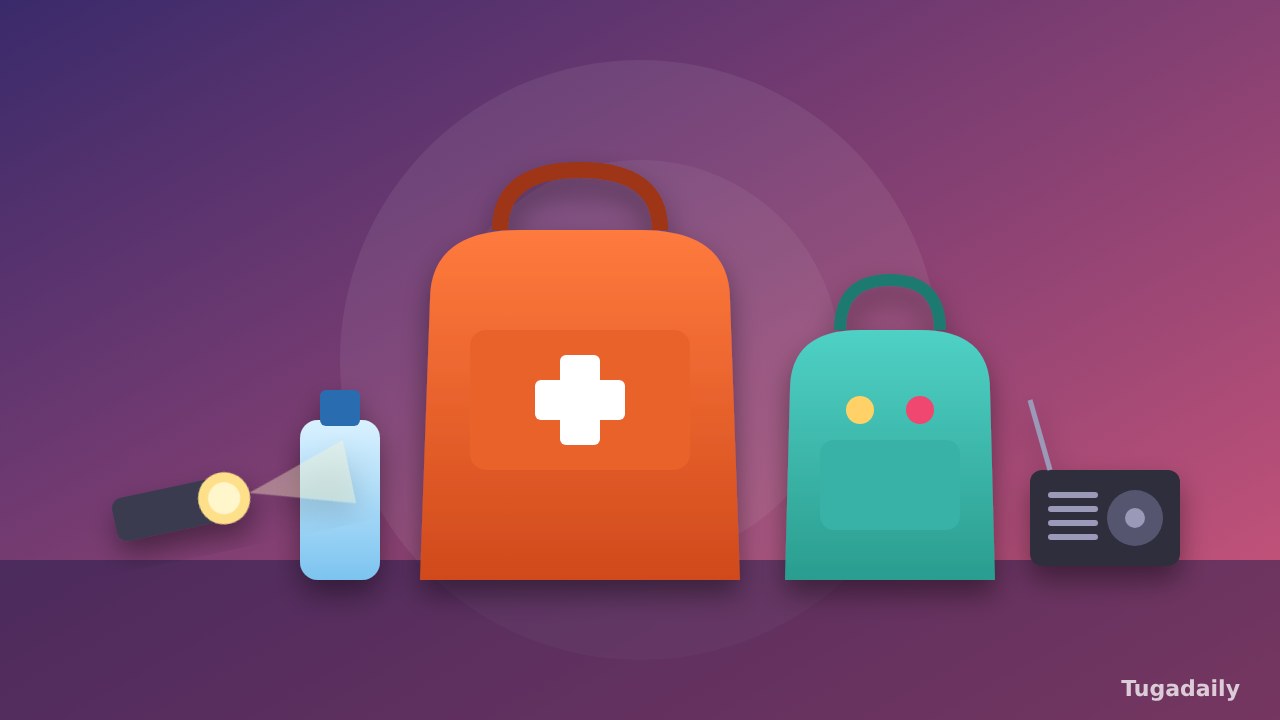
The first is the one that made the headlines: every household should be able to cope on its own for the first 72 hours of an emergency, before public help arrives, with essential supplies and a grab bag ready by the door. The Commission’s note does not publish a fixed checklist of items.
The second is school. Brussels suggests building preparedness into early-years and primary curricula, training teachers and using age-appropriate activities designed not to frighten children.
The other two are about the people who tend to get left behind: measures that are accessible to people with disabilities, with them involved in the planning, and risk information that arrives on time and can be trusted, before, during and after a crisis.
A date on the calendar
The Commission also proposes an EU Preparedness Day every 23 October, with the first edition in October 2027. The date marks the founding of the EU Civil Protection Mechanism on 23 October 2001. Part of the idea came from a panel of 150 citizens from across the Union, which met between March and May and asked for an annual preparedness week.
“When disaster strikes, the first hours can make all the difference,” Lahbib said. The full package is in the Commission’s note on its new preparedness steps.
And in Portugal?
In late October the UK launched its Be Ready campaign, with a three-day supplies list. The EU proposal points somewhere else: less shopping list, more classroom. Anyone who sat through the Iberian blackout of April 2025 knows what a battery radio and a torch are worth. Whether any of this reaches Portuguese textbooks is now up to the Education Ministry, because none of it is mandatory.
Illustration: Tugadaily