

Portugal has 96 recovery-plan milestones left and until 31 August to close them
Some 283 of the 379 RRP milestones and targets agreed with the European Commission are complete. Ninety-six remain, and the deadline to close them and spend the grants is 31 August.
There is a concrete tally on the table now. Of the 379 milestones and targets Portugal agreed with the European Commission under its Recovery and Resilience Plan, 283 are complete. Ninety-six are outstanding, and the clock stops on 31 August.
What is still outstanding on Portugal’s recovery plan?
Ninety-six milestones, on the count given by Economy and Territorial Cohesion Minister Castro Almeida. That looks like a lot with a month to go, but much of it covers works and reforms already under way that only get formally signed off once the paperwork reaches Brussels. The political promise, meanwhile, is the one the government has repeated since filing the seventh and final reprogramming of the plan: not one euro left uninvested, not one euro sent back to Brussels.
What happens if the money is not all spent?
Unspent money does not sit in the till waiting. It is lost. Which is why the political promise is worth more for what it avoids than for what it offers — handing funds back would be the worst possible outcome for a plan that has bankrolled everything from housing and trains to vocational training and digitising the state. The official progress reports and payment requests are published on the government portal.
The 31 August deadline is not a domestic choice of date. It is the Europe-wide cut-off for the instrument created after the pandemic, and it applies to all 27 — several member states arrive at it with far tighter margins than Portugal’s.
Hitting the milestones, though, is not the same as feeling the effects. Most of the spending closes now, but the works and programmes it pays for will keep running for years, and that is where the value of the money will actually be judged. The macro picture of how the plan weighed on the national accounts is in our review of Portugal’s economy and the EU funds.
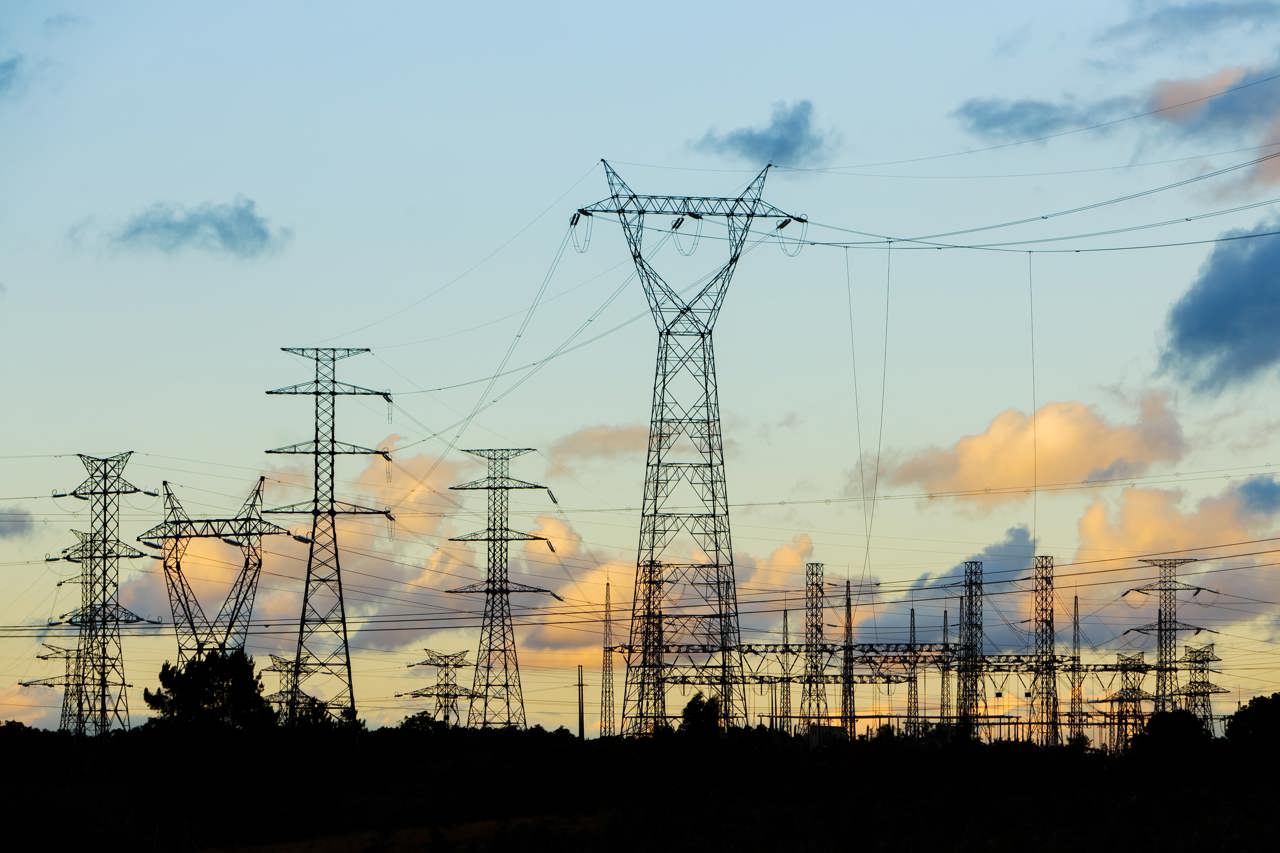
Image: Axel Kirch / Wikimedia Commons (CC BY-SA 4.0)