

Portugal's teacher recruitment gets a second contest — and this one never closes
The government approved a new model for hiring and placing teachers built on two centralised national contests, one annual and one continuous, starting in the 2027/2028 school year.
Anyone who has watched a class sit teacherless through November knows the flaw: the hiring round is settled in July and the school breaks in January. On Thursday the Council of Ministers gave first-stage approval to a new model for recruiting and placing teachers that goes straight at that mismatch.
How will the new teacher hiring system work?
There will be two centralised national contests instead of one. The annual round keeps doing what it does, filling schools’ permanent vacancies on the calendar everyone already knows. The second one is new: a continuous contest built for the temporary gaps that open mid-year — the maternity leave in October, the long sick leave in February, the vacancy nobody saw coming in March.
In practice it is the difference between waiting for the next round and having a round permanently running. The government pairs this with digitised procedures, arguing that less paperwork means faster placements and fewer arguments about who got which post.
When does it take effect?
Not until the 2027/2028 school year, so two more years run on the current rules. That is a long runway, but it leaves time to build the platform and for the unions to fight over the final text — this was first-stage approval, which means the wording can still move.
At the same meeting the government adjusted its +Aulas +Sucesso emergency measures, narrowing the salary top-up for retirement-age teachers who keep teaching to the most under-staffed pedagogical zones, and opened the door for graduates to teach the subject their degree directly matches. Same old logic — go and find teachers where they actually are — applied with better aim.
It was also the meeting that extended the school phone ban to years 7 through 9, which made Thursday a busy day for anyone who works in a school. The full communique is on the government portal.
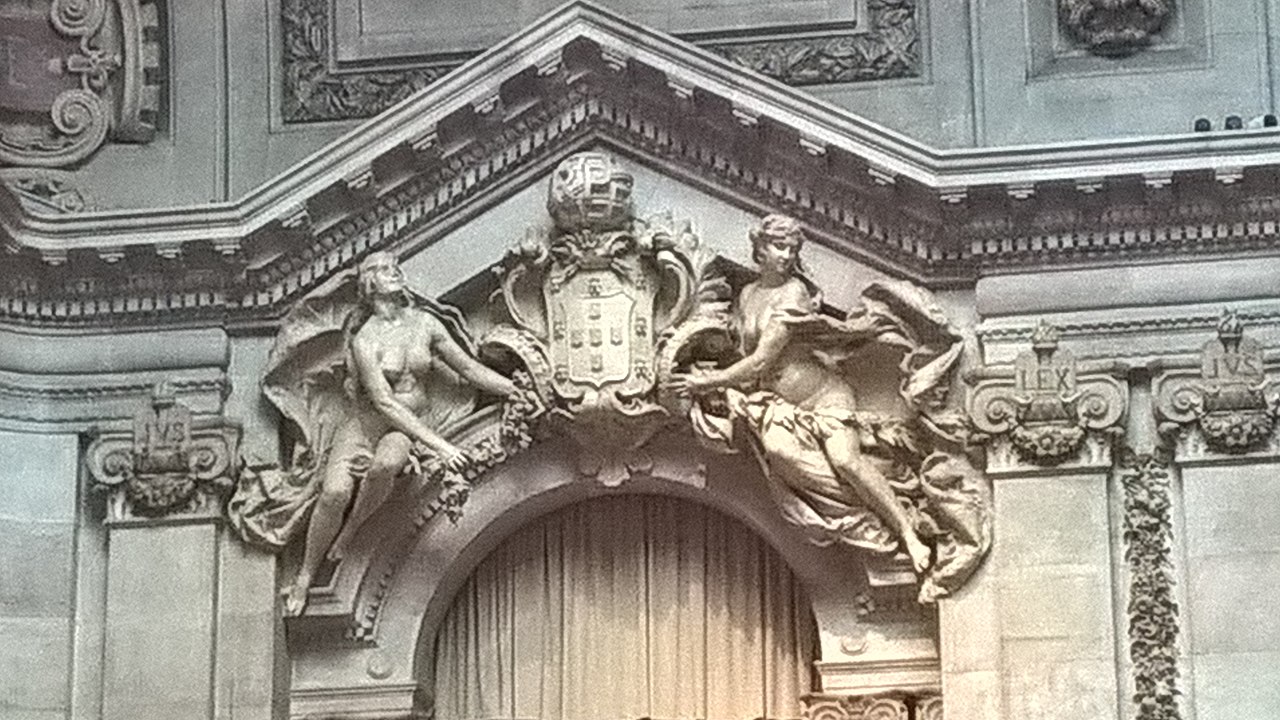
Image: Rui Carita / Wikimedia Commons (CC BY-SA 4.0)