
Portugal now taxes some rent at nothing at all (if the landlord takes the council's ceiling)
The Simplified Affordable Rental Regime came into force on 1 September and wipes out income tax on rent entirely, provided the rent stays under a municipal ceiling. The alternative, a flat 10%, expires in 2029.
Anyone with a flat to let in Portugal woke up on 1 September with two sums to do, and the answer changes from one council to the next. The Simplified Affordable Rental Regime, known here by its initials RSAA, has replaced the old rental support programme, and a second instrument came into force alongside it for developers. Both came out of the housing tax package approved in May.
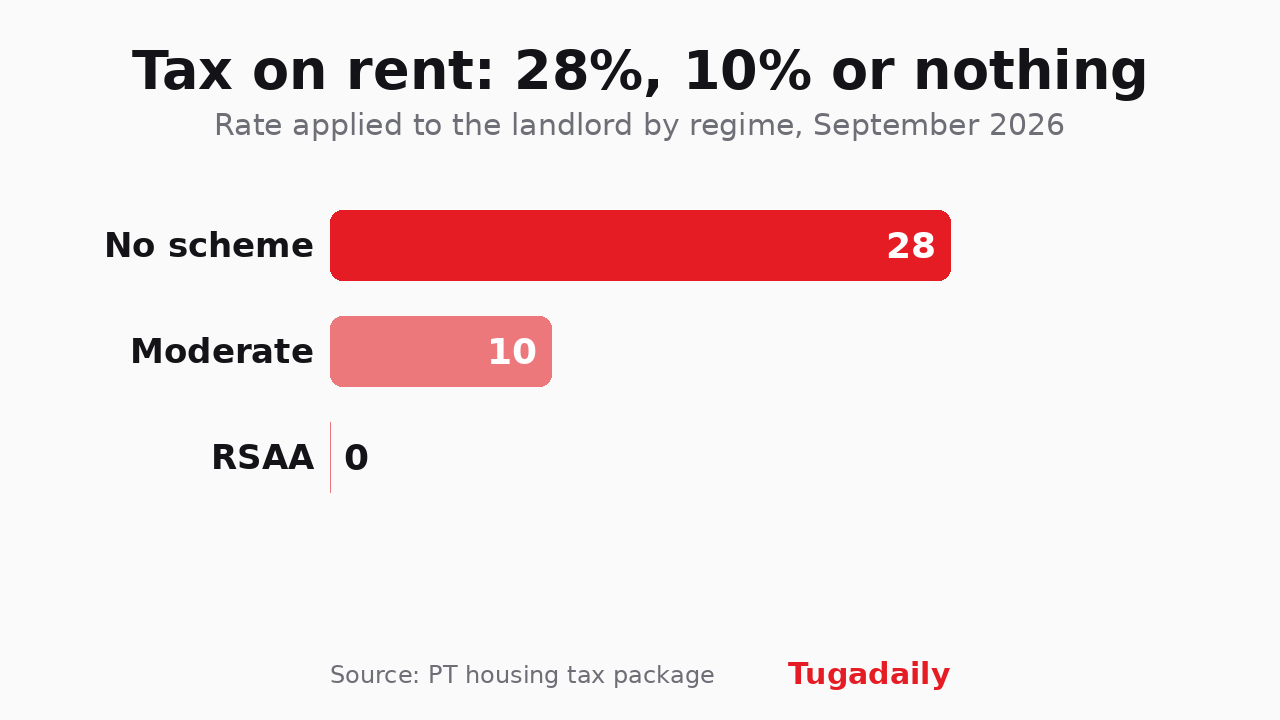
The first sum is the easy one. A residential tenancy with rent up to 2,300 euros a month in 2026 can be taxed at a flat 10%, rather than the 28% that applies to property income by default. It has an expiry date pencilled in: 31 December 2029.
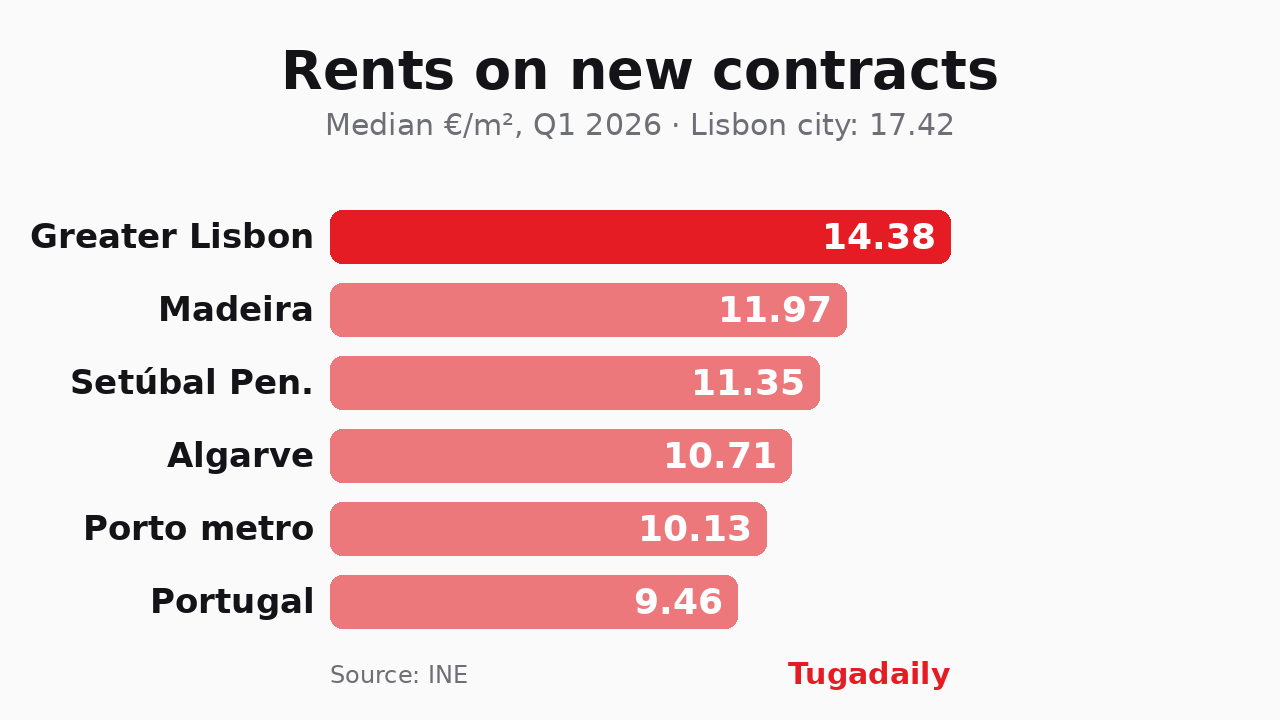
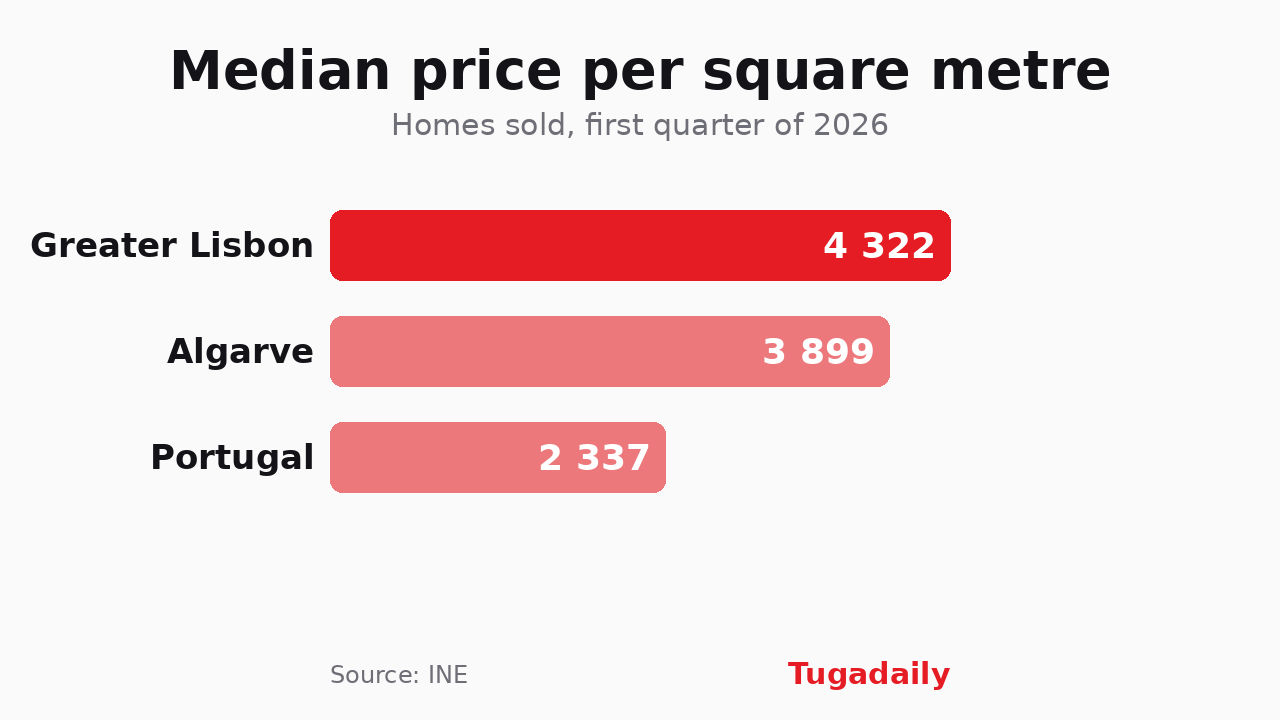
The second sum is more drastic. A landlord who signs up to the simplified regime pays nothing at all on the rent, with full exemption from personal and corporate income tax for as long as the tenancy runs and the conditions hold. The price is the rent itself. The starting point for the ceiling is 80% of the median rent per square metre that the national statistics office calculates for the council the property sits in, and the final figure still depends on further regulation, varying with the size of the flat, its energy rating or whether it comes with parking. There is no single national cap, unlike the 2,300-euro moderate-rent threshold. We went through the small print of this regime when it was published back in May.
When nothing beats ten per cent
It depends on what the flat can command on the open market. Where market rent is already close to the council ceiling, the full exemption wins almost every time, and it wins indefinitely, because the simplified regime carries no 2029 sunset. Where the property could fetch well above that ceiling, ten per cent of the full rent may leave more in hand than nothing at all on a rent that has been cut to qualify.
There is detail to read first. Registration goes through the housing institute’s online platform, with the tenancy agreement and proof that the tax authority was notified filed by 15 January of the year after signing. Contracts must run at least three years for a permanent home, or three months, renewable, where they house students and posted workers. Break the ceiling and the benefit falls away, with the unpaid tax coming back plus interest. The regime also covers letting part of a property, a single room included, as long as the space is self-contained and habitable.
The second instrument is for people who build
Investment contracts for rental housing are a different animal aimed at a different reader. They are signed with the housing institute on behalf of the state, can run for up to 25 years, and were designed for those building, refurbishing or buying property to rent out at scale. They bring exemption from transfer tax and stamp duty on purchase, no municipal property tax for the first eight years and half of it for the rest of the contract, exemption from the wealth surcharge throughout, VAT at 6% on eligible building works, and half the VAT back on architecture, engineering and design.
The strings attached are heavy. Letting has to begin within five years of signing where construction or refurbishment is involved, or within one year where the property was already earmarked for rental. The building cannot be sold freely during the contract: the buyer has to formally step into the investor’s position with the institute. And a breach triggers clawback of the benefits, up to the full amount in the first ten years, with interest on top.
Tenants get the quieter half of the deal. The rent deduction on their tax return rises to 900 euros for rent paid in 2026 and to 1,000 euros from 2027, in a year when mortgage instalments coming up for review are climbing and renting remains the expensive alternative.
Chart: Tugadaily