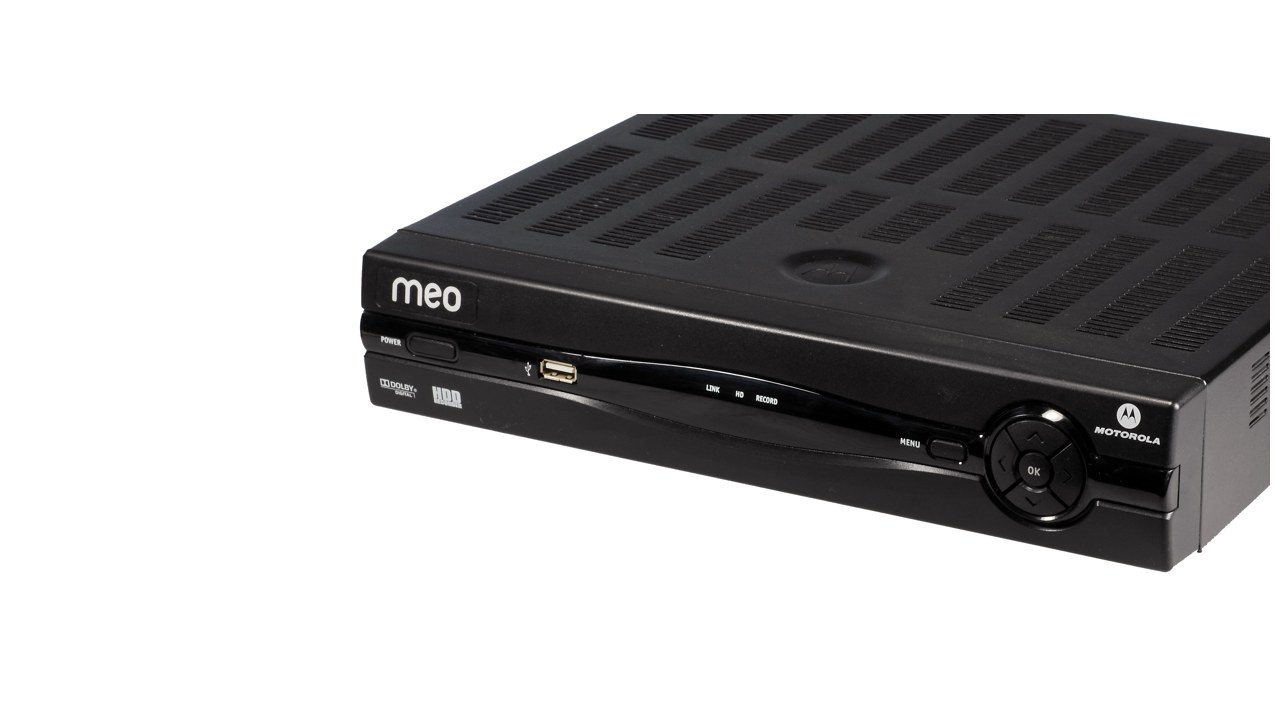


NOS put ads on 821,641 customers' TV recordings without telling them. It cost €350,000
Portugal's telecoms regulator ruled on 7 July and published on 31 August: the change went through without 30 days' written notice and without telling subscribers they could leave free. NOS is appealing.
If at some point over the past year an advert started appearing whenever you opened an automatic recording on NOS television, and you do not remember being warned, you were not being careless. So were 821,641 other subscribers, and the regulator has now said the way it was done broke the rules.
The fine is €350,000. ANACOM took the decision on 7 July and only made it public on 31 August.
What the law actually obliges an operator to do
An operator that wants to change contract terms cannot simply change them. It has to write to the customer, in an appropriate form, at least 30 days ahead, spell out what changes and from when, and tell the customer they may cancel free of charge if they do not accept. The customer then has 30 days to decide. The rules are set out on ANACOM’s page on contract changes.
That notice is what went missing. According to the regulator, NOS altered terms in an identical, standardised way for more than 820,000 subscribers without properly notifying them and without telling them they had a right to walk away.
Not a one-off in this market
The same mechanism, thirty seconds of advertising before automatic recordings play, reached three operators, and ANACOM has already fined the others this year over contract changes made the same way. NOS has challenged the decision at the Competition, Regulation and Supervision Court, so the figure is not final.
What it gives you
Two practical things. First, if you receive a notice of contract change, the 30-day clock starts there, and leaving without penalty is a right rather than a favour. Second, if you never received any notice at all and your terms changed anyway, that is precisely the behaviour that has just drawn a fine.
It is the same direction of travel elsewhere in digital consumption, where European law has been settling what you actually own when you buy a digital game: the purchase does not evaporate because the company changed its mind.
By Oliver Grant
Image: NOS